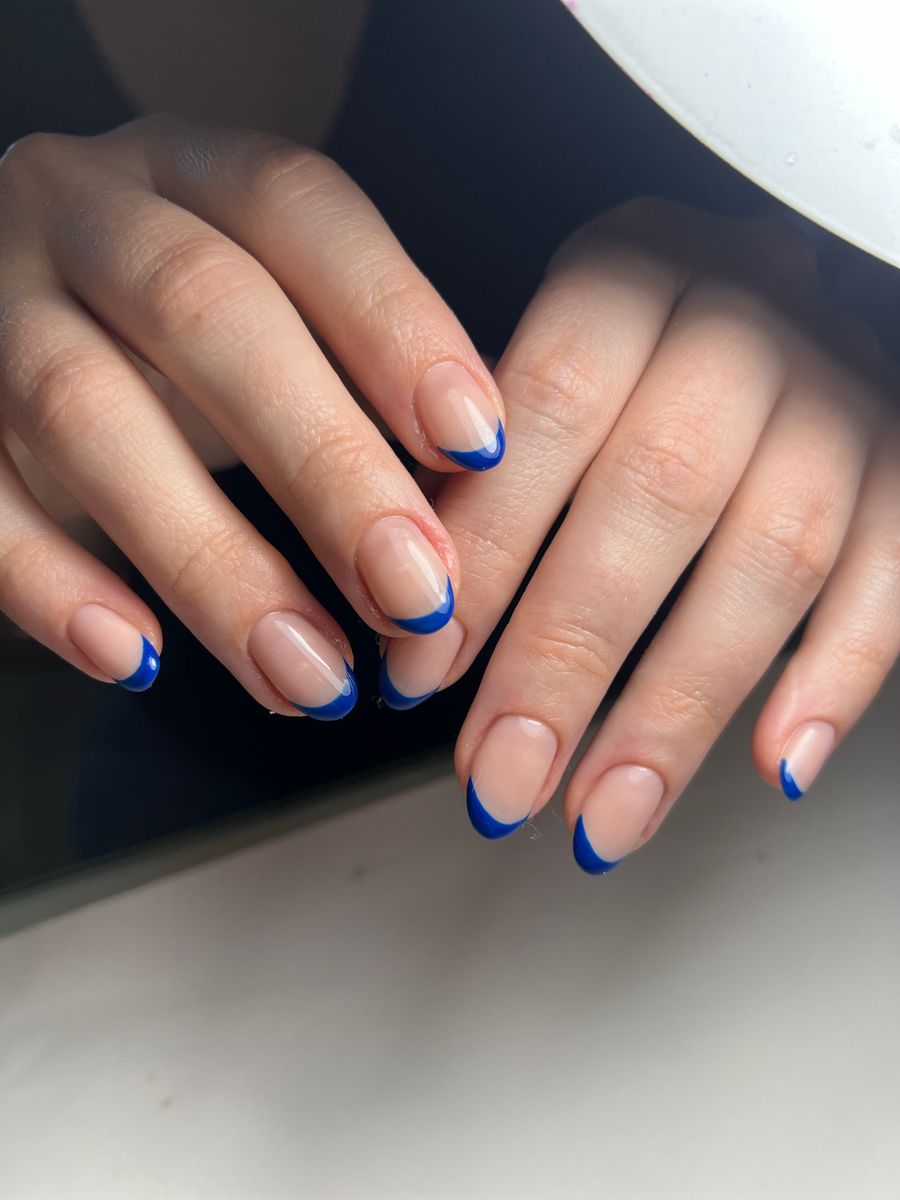
To show a nail technician what you want from an inspiration photo, isolate a single reference image and translate it into five technical specifications: nail shape, length, base color, top finish, and art placement. Before service begins, confirm feasibility, required appointment time, and pricing with your technician rather than expecting a photograph to translate automatically onto your natural nails.
Defining the Core Terms: What Changes the Look
An inspiration photo combines distinct elements that interact with natural hand anatomy. Separating these factors clarifies what you want replicated:
- Nail Shape: The perimeter contour of the nail edge. If you are uncertain which contour flatters your hands, a nail shapes analysis helps match shape options to natural finger proportions.
- Length: The extension beyond the fingertip. Intricate motifs that fit long extensions can crowd shorter natural nail beds.
- Base Color and Opacity: The underlying polish layer, ranging from sheer nude to solid opaque pigments.
- Finish: The surface effect, including high-gloss topcoat, matte texture, chrome powder, or glazed shimmer.
- Art Placement: The location of decorative elements, such as full-coverage art, a single accent finger, or subtle tip detailing.
Turning Inspiration into a Clear Consultation Plan
Prepare for your manicure by organizing your reference into four actionable steps.
1. Select One Primary Reference
Showing multiple screenshots often creates confusion because each image features different lighting, lengths, and art styles. Anchor your consultation with one primary photo. If you like elements from different designs, specify exactly which detail to take from each.
2. Isolate the Technical Specifications
Break the photo down using the terms above. Instead of asking for the photo generally, specify your preferences: for example, requesting the photo's line design adapted onto a short oval shape with a sheer base.
3. Confirm Time, Feasibility, and Variations
Complex hand-painted art requires dedicated service time and specific supplies. Industry guidance from Nail Prime notes that confirming art details during booking prevents rushed appointments.
The Nail Mock reference guide offers another way to break down an inspiration image. Ask your technician which products and techniques they would use for your version of the look.
4. Confirm a Sample Nail First
Before your technician coats every finger, ask to preview the base shade and one art accent on a single nail. This confirms color opacity and styling under salon lighting before completing the entire set.
Common Mistakes and Visual Trade-offs
A common pitfall is expecting a digital image or concept to appear identical on every hand:
- Proportion Differences: Designs arranged on wide or long nail beds must be scaled down or simplified on shorter nails.
- Lighting and Undertones: Studio lighting shifts how shades register on screen compared to physical daylight.
- Preview Boundaries: Using NailMoodLab to generate a nail concept or preview styles via virtual try-on provides helpful visual guidance, but digital renderings cannot guarantee identical salon results. Real products and nail bed variations require technician adjustment.
Practical Decision Checklist
Before sitting in the chair, confirm:
- [ ] One primary reference photo is ready.
- [ ] Desired shape, length, and base changes are noted.
- [ ] Art complexity was mentioned during booking to secure adequate time.
- [ ] A sample nail is requested to verify color and placement.
Example Salon Request: What to Say
Bring this brief to your consultation:
"I have one primary reference photo for this design. I would like to adapt this line art to a short oval shape with a sheer nude base instead of the opaque pink shown. Is this feasible within our booked appointment time, and could we test the base color on one nail first?"
Frequently Asked Questions
What should I do if I like elements from two different photos?
Designate one image as the structural anchor and point to the specific element—such as a dot pattern or French tip—from the second.
How should I respond if a technician says a design is not feasible?
Ask what alternative or simplified variation they suggest with their available products and allotted time.