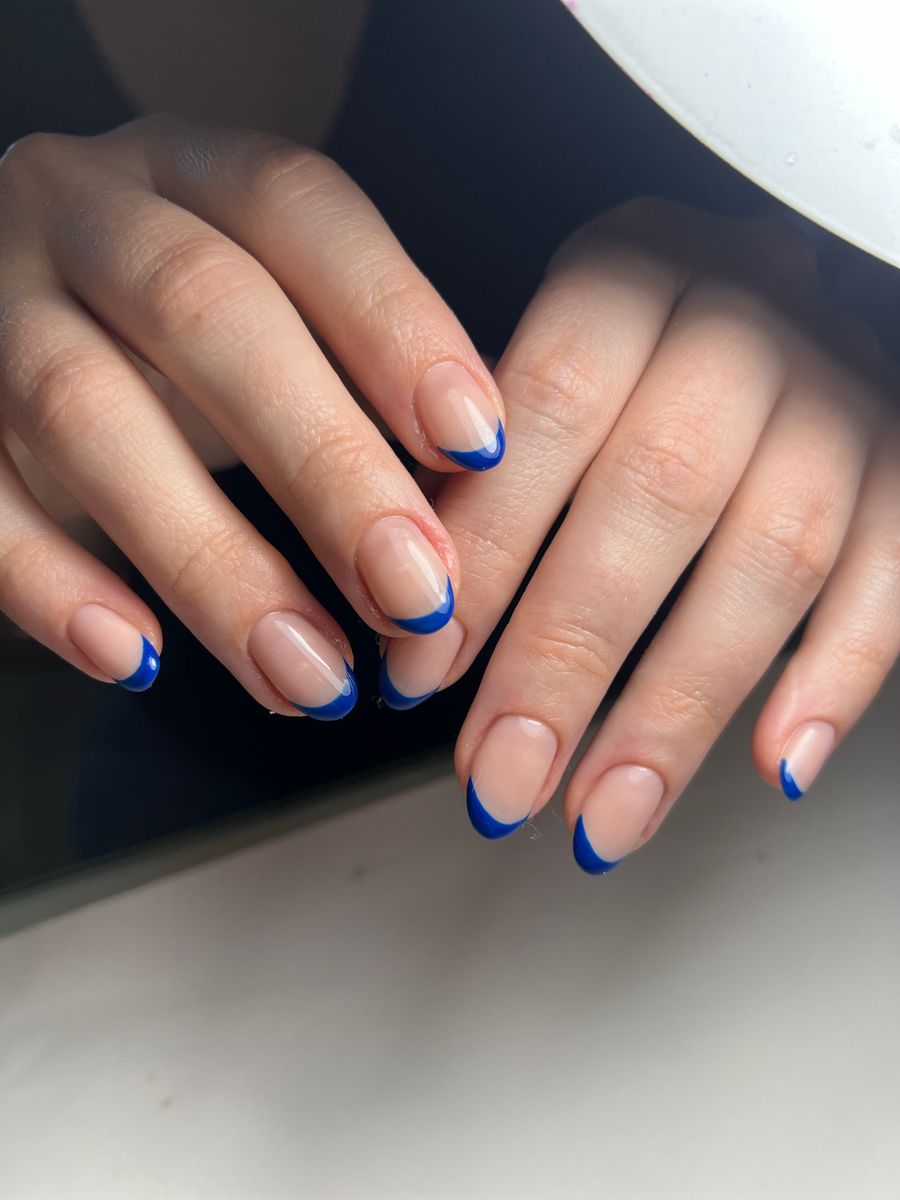
A useful nail design consultation turns an inspiration image into a shared plan: desired shape and length, colors, finish, art placement, budget, time, and acceptable substitutions. Bring one main reference, explain which details matter most, and ask the nail professional to assess what is practical before the service begins.
The aim is not to arrive with every technical answer. It is to make your preferences clear enough that the professional can recommend an achievable version and explain the trade-offs. A short written brief often prevents more confusion than a large folder of unrelated pictures.
Choose one main reference and one fallback
Pick the image that best represents the overall result you want. If another image contains a detail you like, label that detail rather than asking the salon to combine several pictures without explanation.
For example: “Use the base color from the first image and the small star placement from the second.” This is clearer than presenting two different shapes, lengths, and finishes and saying you like both.
Keep a simpler fallback that preserves your main priority. If elaborate art is not practical within the appointment, you might retain the palette and use one accent nail. Decide which part you are most willing to change.
For help selecting and explaining the image, use the salon reference-photo guide. A reference communicates a direction; it does not promise an identical result on different nails or with different materials.
Describe shape and length separately
Shape describes the outline; length describes how far you want the nail to extend. A reference may appeal to you because of one rather than both, so discuss them independently.
Use ordinary language alongside the shape name. Say whether you prefer a softer or sharper tip, straighter sides, or less visible corner definition. This gives the professional more information than a label alone.
Show the approximate length you want and describe your routine. Mention activities that influence your preference, such as typing, playing an instrument, or handling small objects. The professional can help assess a practical version for your current nails and chosen service.
Avoid treating a virtual preview as a measurement or a fit assessment. A generated image may show a shape that requires a different length or technique from what you expected. Confirm feasibility in the actual consultation.
Identify the color and finish that matter
Describe color in useful terms: warmer or cooler, lighter or darker, translucent or opaque. A photograph's lighting and screen display can make an exact shade difficult to judge.
Ask to compare available color options rather than expecting a product to match a reference pixel for pixel. If a specific undertone matters, say so before the color is applied.
Separate finish from color. Glossy, matte, chrome-like, shimmer, and other effects can change the appearance of the same general palette. Identify whether the finish is essential or simply part of the reference's lighting.
For example: “I want a muted pink with a glossy finish; the exact pink can change, but I do not want visible glitter.” This creates a clear priority and a useful boundary without prescribing a technical process.
Map the art across the set
Explain whether the design belongs on every nail or only selected accents. If the reference shows one hand, confirm how you want the other hand to relate to it.
Decide whether you want mirrored placement, repeated motifs, or a deliberately varied set. Identify the focal nail or the maximum amount of detail you want to see at once.
Scale matters. A pattern that looks spacious on long nails may need fewer elements on a shorter length. Ask which details can be simplified while retaining the same impression.
Distinguish flat art from raised decoration. A bright highlight in an AI image can resemble a gem or a painted effect. Point to the feature and ask how the professional interprets it before assuming you agree on the construction.
Confirm time and budget before the service
Show the design when booking if the salon offers a way to review references in advance. Ask whether your selected appointment covers the proposed work and whether additional time is needed.
Describe anything that may affect the appointment, such as an existing set that needs attention or a change from the service originally booked. Let the salon explain how that affects scheduling and price.
Ask for the expected total or a clear explanation of what may add to it. Art on several nails, specialty finishes, or changes in length can affect the quoted work, but the salon should provide the actual details for your appointment.
Avoid guessing prices from a generated image or another salon's social post. The design reference does not establish local pricing, product availability, or the time your professional will need.
If the quote exceeds your budget, return to your priorities. Reducing the number of accent nails or simplifying a motif may preserve the part you like most.
Agree on substitutions in advance
| If this detail is unavailable or impractical… | A substitution to discuss |
|---|---|
| Exact reference shade | Closest available color with the same undertone or depth |
| Dense pattern on a short nail | Fewer, larger elements with similar placement |
| Art on every nail | A limited accent arrangement using the same palette |
| Raised decoration | A flatter visual interpretation if that suits your preference |
| Dramatic reference length | A shorter version with adjusted proportions |
These are conversation options, not universal technical solutions. Ask the professional which alternative is suitable for the service and materials involved.
State any non-negotiable preference plainly. “No raised pieces” or “keep the length short” is more useful than silently hoping the reference will be interpreted that way.
Also identify what can be flexible. Giving the professional room to adjust a minor detail can help preserve the overall design when exact replication is unrealistic.
Use AI images as a planning aid
NailMoodLab offers prompt-based design generation, hand-photo shape suggestions, and two-image virtual try-on. Generated designs can be regenerated, downloaded, shared, or copied by URL, which can help you organize a reference for discussion.
Before sending an AI image, inspect nail boundaries, shape consistency, and decorative details. A convincing overall look can contain impossible-looking overlaps or tiny elements that are unclear when examined closely.
Label the image as an AI concept and explain which features you want to keep. Do not present it as a photograph of a completed salon service or proof that every detail is achievable.
Use virtual try-on to explore visual preferences on your hand photo, then let the nail professional assess the real nails and the proposed service. A preview is not a diagnosis, measurement, or fit guarantee.
Bring a short consultation note
A practical note might read:
I want a short, softly rounded set with a glossy muted pink base. The small gold-colored line is the detail I want to keep, but only on two accent nails. I prefer flat art. Please show me a simpler option if the reference does not fit the appointment time or budget.
This example provides a direction without telling the professional how to perform the service. It also makes the fallback clear before work begins.
Keep the note and main image easy to find on your phone. Searching through a large collection during the appointment can make the conversation less focused and introduce conflicting last-minute ideas.
Confirm the shared plan before proceeding
Ask the professional to summarize the chosen shape, length, color direction, finish, and art placement. Resolve any difference in interpretation before the design progresses.
Agree on a sensible point to check an early color or art choice when the service allows. A brief check can clarify scale or placement before the same detail is repeated across the set.
If you change your mind, say so clearly and ask how it affects the work. Do not assume that changing a major element midway has no effect on time or price.
At the end, ask for the salon's relevant care and maintenance instructions for the actual service. A reference image or AI tool cannot supply personalized guidance about the finished application.
Final nail consultation checklist
- One main reference and a simpler fallback are ready.
- Shape and length preferences are described separately.
- Color, finish, and any excluded effects are clear.
- Accent placement across both hands is discussed.
- Time, price, and additional work are confirmed with the salon.
- Acceptable substitutions and essential details are identified.
- AI images are labeled as concepts and checked for artifacts.
- The professional has confirmed the plan's practical limits.
Create a focused reference in NailMoodLab, then pair it with a short consultation note. If you plan looks regularly, check your current account allowance and available plan information. Consider a future purchase only if checkout becomes available and the offer fits your actual use.