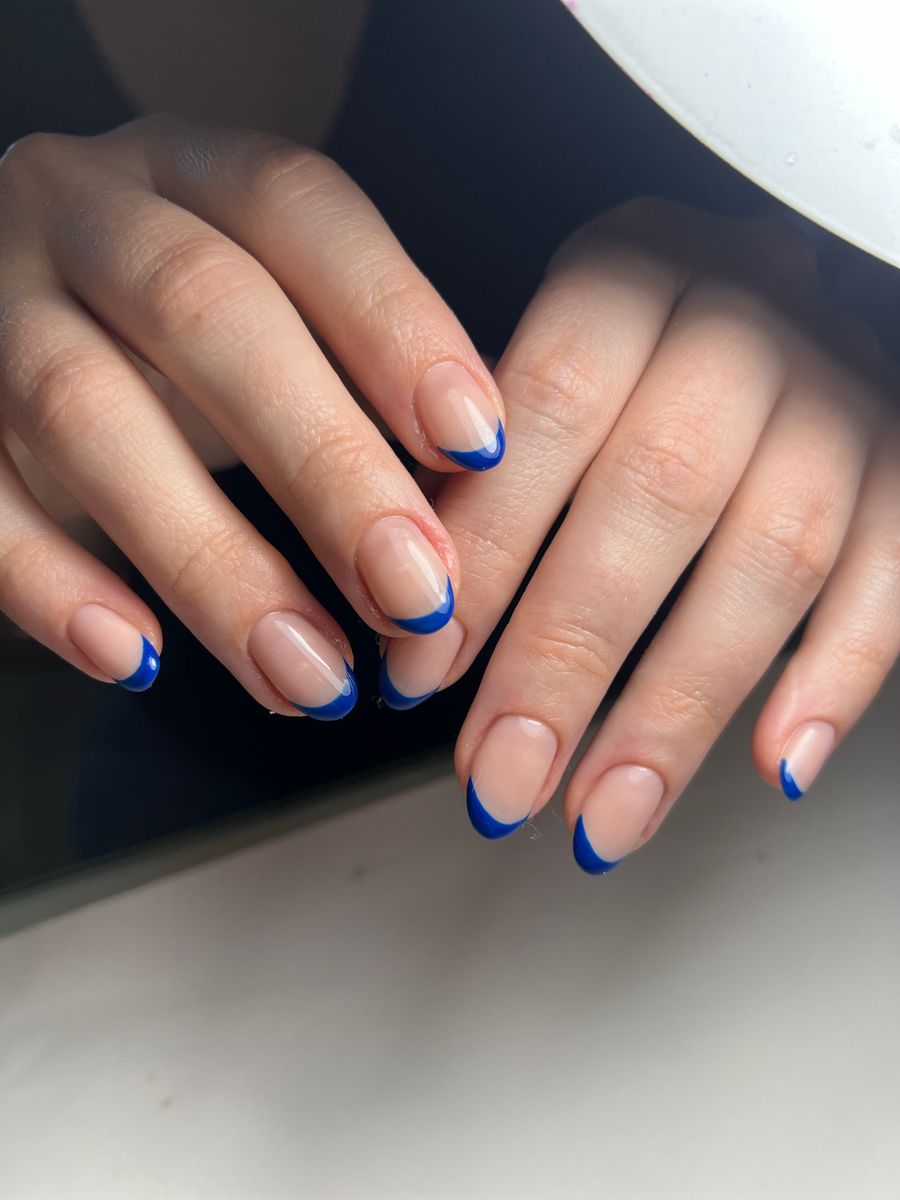
If typing is a major part of your day, start your nail-shape discussion with a length close to what already feels manageable, then compare round, oval, or squoval outlines. Their different curves and corners give you practical visual options without requiring a dramatic point. The best choice is the one that works with your actual tasks and a service your nail professional considers suitable.
There is no single shape proven best for every keyboard user. Length, construction, personal habits, and the keyboard itself can matter as much as the shape name. A virtual preview can help with appearance, but not with predicting comfort or typing performance.
Identify the problem you want to solve
Think about your current nails during ordinary use. Do the tips contact keys in a way you dislike? Do you prefer less visible extension beyond the fingertip? Are corners or raised decorations the part that feels inconvenient?
Write the specific issue rather than asking for “office nails.” That phrase describes a setting but leaves your preferences unclear.
Consider other repeated tasks as well: using a phone, fastening small clasps, handling papers, playing an instrument, or working with tools. The goal is to describe the routine you actually have, not to follow a style rule based on your job title.
Check any applicable workplace or activity requirements through the relevant organization. A general design guide cannot establish those rules for you.
Separate length from shape
A very long rounded nail and a short square nail differ in more than their corners. Comparing them does not tell you which outline you prefer at the length you intend to wear.
Choose a realistic length direction first. Use your current set as a reference if it already works reasonably well. If you want a change, discuss the amount with the professional and show a clear image.
Then compare outlines at similar lengths. This makes it easier to judge the effect of softer corners, a rounded end, or a gentle taper without being distracted by a large difference in extension.
Do not treat “short” as an exact measurement. Explain how much length you want beyond the fingertip and let the professional assess the practical result for your current nails and service.
Compare three useful starting shapes
Round: a simple curved endpoint
A round direction follows a curved tip without the more extended taper associated with some longer shapes. It can be a useful reference if you want a compact outline and do not want prominent corners.
The visual trade-off is that the shape may feel less angular or dramatic. That does not make it plain: color, a fine tip, or one small accent can create a deliberate design.
Show the degree of curvature you prefer. A very rounded reference and a subtly curved one may both be called round, so the image matters more than the label alone.
Oval: a more elongated curved outline
Oval gives a different visual direction through a longer curved profile. Ask how that outline can be interpreted at the length you are willing to wear.
Do not choose it solely because a reference makes the fingers appear longer. Camera angle, lighting, and editing can influence that impression. Compare the nail outline itself.
If a pictured oval set is longer than you want, ask for a shorter interpretation and discuss how the shape would change. The professional should assess feasibility rather than treating the photo as a template.
Squoval: a straighter end with softened corners
Squoval combines a straighter-looking tip with rounded corners. It can be worth comparing if you like the visual structure of square nails but prefer less distinct corners.
The amount of corner rounding varies, so identify the version you mean. The square-versus-squoval guide can help you describe that difference more clearly.
Keep the comparison at your intended length. A short squoval reference does not predict how a much longer version will feel during daily tasks.
Use a task-based comparison table
| Your observation or preference | What to discuss | What the image cannot establish |
|---|---|---|
| You dislike noticeable tip contact while typing | A length closer to your familiar routine | Guaranteed typing comfort or speed |
| You prefer less prominent corners | Round, oval, or softened squoval references | A universal practical winner |
| You want art without a longer set | Sparse motifs or accent placement | Exact salon reproduction |
| You want a more dramatic outline | Whether the desired shape fits the service and routine | Physical feasibility from a preview alone |
| You need predictable upkeep | Maintenance expectations for the actual service | Durability based only on the shape name |
Use your own observations as the starting evidence. A style image can clarify a preference, but it does not tell you how the manicure will interact with your particular keyboard and habits.
Keep decoration in the decision
Shape is only one part of a functional preference. A short set with prominent raised pieces can feel very different from a longer plain-color set.
Tell the professional if you prefer flat art, limited accents, or no raised embellishments. That gives the consultation a clearer direction than focusing entirely on the outline.
For short nails, reduce pattern density rather than shrinking every detail from a long reference. One clear motif or a restrained tip design can keep the look intentional.
The minimalist nail-art guide offers ideas that preserve visual interest with open space and fewer elements. Choose the design because you like it, not because a minimalist image promises a specific performance benefit.
Preview the appearance with controlled inputs
NailMoodLab offers prompt-based generation, hand-photo shape suggestions, and two-image virtual try-on. Generated designs can be regenerated, downloaded, shared, or copied by URL.
Use one clear hand photo and compare similar colors and lengths. For example, generate a short round concept and a short squoval concept in the same plain muted shade.
A useful prompt is:
Short squoval nail concept with softly rounded corners, a plain muted pink base, glossy finish, and no art or raised decoration. Keep the outline easy to see.
Change the shape description for the second concept while keeping the other details stable. Inspect whether the output actually follows the request.
With virtual try-on, compare the preview to the original hand photo. Reject a result that changes finger proportions or nail boundaries in ways that distort the comparison. The tool does not measure the nails or test daily use.
Bring your routine into the salon conversation
Explain the tasks you perform and the specific feature you want to change. A useful note might be: “I type for much of the day, prefer a length close to my current nails, and want softened corners with flat art.”
Ask which shape and service are practical for your actual nails. Discuss maintenance, time, and price for the proposed result instead of assuming a short or simple-looking image requires a particular amount of work.
Use the salon reference-photo guide to distinguish essential and flexible details. If the professional recommends an adjustment, identify whether preserving length, corner shape, or the design matters most to you.
Do not force a technique change or attempt to reshape an existing enhancement from a style article. Let the professional advise on the appropriate service for the actual set.
Review the choice after ordinary use
Keep a brief note about what you like and what you would change for the next appointment. Focus on observable experience: preferred length, unwanted contact, or an art detail that felt more prominent than expected.
That record can be more useful than repeatedly choosing from new inspiration images without remembering why the previous set did or did not suit you.
Before deciding, confirm:
- The daily task and specific preference are clear.
- Length is considered separately from shape.
- Round, oval, or squoval references use comparable lengths.
- Raised decoration is included in the discussion.
- Preview appearance is not treated as a comfort guarantee.
- Feasibility and upkeep are confirmed with the professional.
Explore a visual comparison in NailMoodLab, then use it alongside your routine notes. For regular planning, check your current account allowance and available plan information. Consider a future purchase only when checkout is available and the offer fits your actual use.