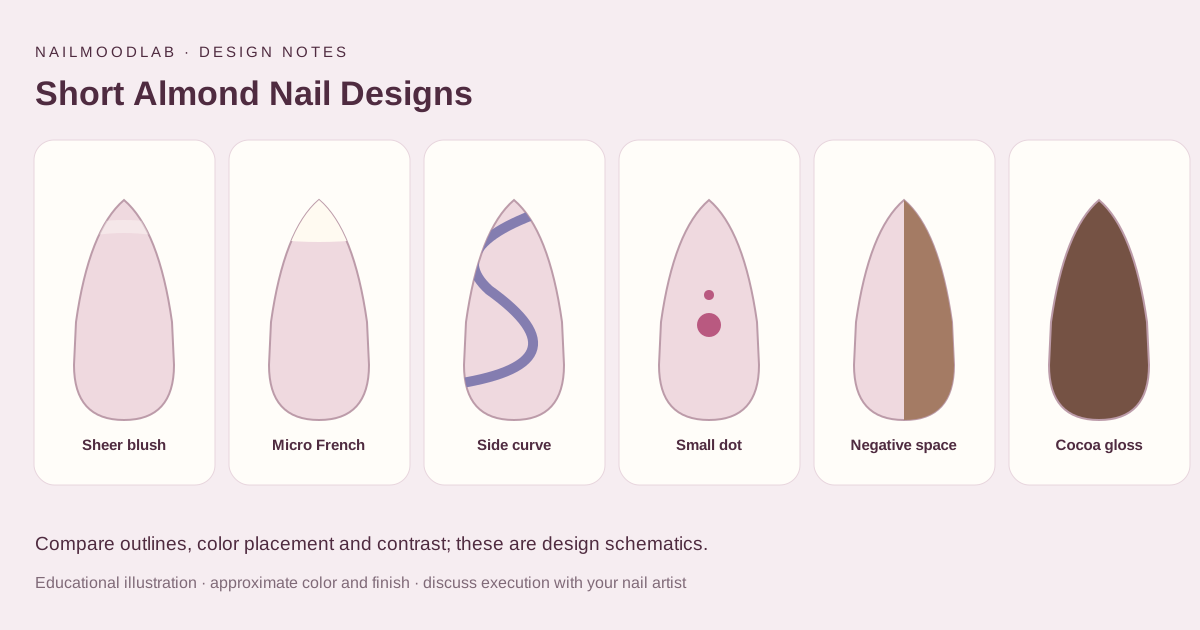
Short almond nail designs combine a tapered, rounded-point outline with a smaller art canvas. Start by confirming the length and silhouette you intend to wear, then compare color, tip width and motif placement on that same outline. A long almond photograph is not a reliable guide to how much detail fits your shorter request.
The six directions below use one simplified outline in the illustration so the design differences are easier to compare. These are concepts, not photographs of the same hand or proof that an almond shape is physically achievable on every short natural nail.
Confirm what short almond means in your request
Short is not a standardized label across salons and tip makers. Show how far the nail extends beyond the finger, and point to the amount of taper and rounded point you prefer.
Ask the technician to assess whether that silhouette is feasible at your current length and with the service being booked. If the proposal needs more length than you want, discuss an alternative outline rather than treating an AI image as proof it can be created unchanged.
For the outline distinction itself, see almond versus oval nails. This page focuses on designing within an already agreed short almond direction.
Six designs to compare on one canvas
1. Sheer blush without extra detail
Use a quiet pink tint and let the tapered outline remain the main feature. Specify whether you want the natural nail visibly present or a more covered background. A sheer reference and an opaque pink reference can look similar under glare, so ask to compare finished samples.
2. Micro French tips
Use a narrow colored border following the rounded point. Show how much base should remain visible and avoid copying the width from a much longer nail. If the tip is the main detail, leave the rest of the surface quiet. The short French-tip guide covers the smaller-canvas proportions separately.
3. One side curve
Place a simple curve along one side, with a clear open area beside it. Choose where the line starts and ends; a curve running into the tip is different from one stopping near the center. At a short length, discuss simplifying overlapping paths into one main line.
4. A tiny dot accent
Use one small dot or a simple pair on a named accent nail. Keep the dot away from other prominent details if you want it to remain the focus. Repeat its color on a plain nail or tip only if that belongs in your plan; the extra color is optional.
5. Negative space with one color area
Leave part of the base visibly quiet and use color in a defined section, such as one side or a curved edge. Mark which area should remain open. A beige painted background may look like bare nail in a photo, so specify the coverage rather than using negative space as a complete product instruction.
6. Cocoa color with no motif
Compare a single brown direction on the same short outline. Keeping the surface plain makes the shape and color easier to judge. If the reference looks almost black in dim light, say whether you want that depth or a more visibly brown result. Our brown design guide expands the palette choices.
These are proposed combinations. A short-almond inspiration collection can help you find a photograph, but it does not establish a universal minimum length or physical suitability.
Choose the detail that matters most
| Your priority | Keep clear | Consider simplifying |
|---|---|---|
| The almond outline | Taper and rounded point | Surface motifs that hide the border |
| A French tip | Width and curve | Extra art competing with the edge |
| A small motif | Recognizable outline and space around it | Several motifs on one nail |
| Negative space | The open area you want visible | Dense overlapping lines |
| Color | Base coverage and shade direction | Unnecessary finish or motif changes |
The goal is not to fill every available space. Decide what the reader of your reference should notice first, then let the rest of the design support it.
Compare fairly before selecting a favorite
Keep the visible length, hand angle and background as similar as possible. Compare the same outline with different designs rather than comparing a short oval photo with a long almond photo.
First compare coverage: sheer versus more covered. Then compare art placement: tip, side curve or center accent. Finally compare finishes if you want another variation. Changing several things at once can make it difficult to identify what you actually prefer.
If you are still choosing among several shapes, the broader short nail design guide is the more useful starting page. You can return here once the outline is agreed.
Make a complete salon brief
- Choose a length reference you intend to wear.
- Identify the taper and rounded point you like.
- Pick one design from the six directions.
- Specify base coverage, tip or motif placement, and accent fingers.
- Ask the artist to assess feasibility and agree on any simplification.
For example: “I want this short length and a gentle almond outline if it is feasible for my nails. I like a translucent blush base with a very narrow white tip. Please keep the other details off the set, and show me if the outline needs adapting.”
Use previews as design references
NailMoodLab's virtual try-on can help compare visual concepts. Check whether the image keeps the length and taper you requested; AI can make the nails longer or change their outline.
Do not treat a preview as a physical-fit assessment, exact polish sample or structural recommendation. Bring the concept and your actual length constraint to the technician, and ask what can be achieved with the service offered.
Questions readers ask
Can very short natural nails be almond?
The answer depends on the actual starting point and intended service. Ask the technician to assess it. A reference labeled short almond may show more length than you plan to wear.
Do small nails need tiny versions of every detail?
No. Simplifying the composition can preserve the main idea more clearly than shrinking all its elements. Choose the detail that should remain recognizable.
Is a sheer color required?
No. Sheer blush, opaque color and a quiet dark shade are different design directions. Compare the appearance you want at your intended outline and length.