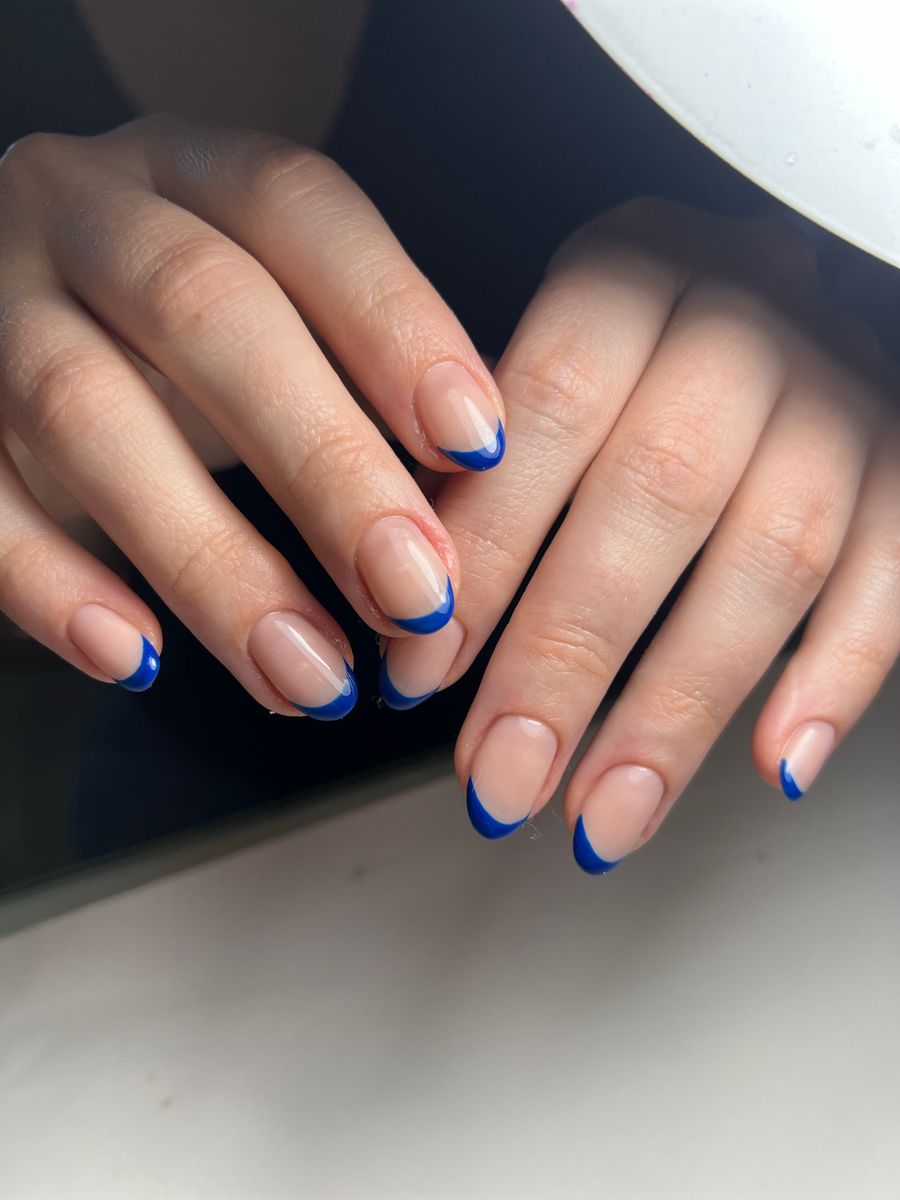
Choose nail length by the tasks you do, the amount of art you want, and the upkeep you are willing to discuss with your salon. Short lengths offer a compact canvas, medium lengths provide more room for shape and pattern, and long lengths create a stronger visual statement. None is automatically the best choice for a particular hand.
This nail length guide helps you turn an attractive reference into a practical preference. Use images to compare the look, then ask a nail professional what is feasible for your current nails and chosen service.
Treat short, medium, and long as reference terms
These labels are useful starting points, but they are not a precise shared measurement. A “medium” set in one inspiration image may look long to someone who normally wears nails close to the fingertips.
Show the length you mean and discuss how much extension beyond the fingertip you prefer. Your natural nail proportions and the camera angle can affect the apparent length in a photograph.
Keep shape separate from length. A tapered tip can make a set appear different from a straight-edged one at a similar extension. If you compare two references with different shapes, note both variables rather than attributing every difference to length.
Avoid choosing from hand-shape rules that promise one length will correct or flatter everyone. Your visual preference and actual routine provide a more useful starting point.
Short nails: a compact, deliberate design space
Short nails can support plain color, fine tips, small motifs, and well-spaced abstract art. The limited canvas often rewards a clear focal point rather than several competing details.
If a reference uses a dense pattern on long nails, adapt the composition. Keep the palette and main motif, but reduce the number of elements or use selected accents. Enlarging one simple detail can work better than shrinking the entire long-nail design.
Short length may feel familiar if you use fingertips closely during daily tasks. That does not mean it guarantees effortless typing or suits every job requirement. Consider your own experience and any rules that apply to your work or activities.
A useful brief might be: “Keep the length close to what I currently wear, with a glossy neutral base and one small accent per hand.” The professional can help define the actual outline and service.
Medium nails: room for comparison
Medium is a useful category when you want more visible shape or art space without immediately choosing your longest reference. The exact meaning still needs a picture and discussion.
This length range can make differences between rounded, oval, and tapered outlines easier to see. It may also provide more room for a French-inspired tip, a larger floral accent, or a sparse marble pattern.
The trade-off is that it can feel noticeably different if you are accustomed to very short nails. Do not judge only the close-up appearance. Think through ordinary tasks such as using your phone, fastening jewelry, handling small items, or playing an instrument.
If you are uncertain, bring a preferred reference and a slightly shorter alternative. Ask which version best preserves the design while fitting the service and routine you describe.
Long nails: more visual impact and more planning
Long nails create a larger canvas for extended lines, layered patterns, or a pronounced taper. They can also make the shape itself a major part of the design.
More space does not require more decoration. A long set in one color can be visually strong. If you choose elaborate art, decide which details are essential and how they relate across the hand.
Consider whether you want this length for an event, a short period, or ordinary ongoing wear. Those goals can lead to different choices about the service, design, and follow-up appointments.
Discuss practical use with the professional rather than assuming you will adapt automatically. A virtual image cannot tell you how a length will feel during your day or establish that it is appropriate for your current nails.
Compare the trade-offs that matter to you
| Priority | Shorter direction | Longer direction |
|---|---|---|
| Art density | Fewer clear elements may read better | More room for extended compositions |
| Shape emphasis | Outline can be subtle | Taper and tip shape become more prominent |
| Familiarity | May resemble a close-to-fingertip routine | May require a larger change from current habits |
| Visual statement | Can be quiet or bold through color | Length itself adds emphasis |
| Salon planning | Confirm adaptation of reference details | Confirm feasibility, time, and maintenance expectations |
These are design considerations, not universal performance promises. A simple long set and a heavily decorated short set can create very different experiences. Length is only one part of the decision.
Run a routine audit before your appointment
List the hand activities you repeat most often. Include work, household tasks, hobbies, and anything where you have a strong comfort preference. Focus on actual habits rather than an imagined lifestyle.
Ask yourself what already works. If your current length feels comfortable, use it as a reference point. If it frequently gets in the way of a specific task, describe that problem to the professional instead of simply asking for “something practical.”
Consider any workplace, sport, or activity-specific requirements and verify them through the relevant organization. Do not assume a general style article can substitute for those rules.
Write the most important constraint in your consultation note. For example: “I use a keyboard for much of the day and want a length close to my current set.” That is more useful than choosing from a photograph without context.
Compare length visually without changing everything else
Use the same hand photo and a similar shape, color, and finish when comparing short and longer concepts. Otherwise, a brighter shade or more dramatic pattern may drive your preference.
NailMoodLab offers prompt-based design generation, hand-photo nail-shape suggestions, and two-image virtual try-on. You can use these to explore visual directions, then regenerate, download, share, or copy generated designs by URL.
Inspect a preview against the original hand photo. If finger proportions or nail-bed boundaries change, do not treat the result as a reliable indication of fit. The image is not a measurement or a physical feasibility assessment.
Try a prompt such as:
Short oval nail concept with a glossy muted rose base and no art. Keep the design simple so the outline and visual length are easy to compare.
Then change the requested length while keeping the rest of the description stable. Review whether the generated result actually follows the request before deciding.
Adapt the design to the chosen length
Once you choose a direction, adjust the art to suit it. A short set might use one crescent instead of a full night-sky pattern. A medium set might spread a floral motif across a few accents. A long set might keep open space to avoid feeling overloaded.
Preserve the feature that attracted you to the reference. If it was the palette, keep the colors while simplifying detail. If it was the tip shape, start with a plain finish so the outline remains the focus.
The minimalist nail-art guide offers useful ideas for reducing detail without making the result feel accidental. For shape comparisons, the square-versus-squoval guide can help separate corner preference from length.
Confirm upkeep and feasibility with the salon
Ask what the selected service and length involve for appointments, maintenance, and any changes to your existing set. Get the actual time and price from the salon rather than inferring them from an image.
Discuss a shorter fallback before work begins. The professional may recommend a different outline or simplified art to suit the real nails and service. A preview cannot replace that assessment.
Use the salon reference-photo guide to prepare the conversation. Be clear about what matters most: visual length, a particular pattern, or staying close to a familiar routine.
Before choosing, confirm:
- Your length terms are supported by a clear reference.
- Shape and length have been considered separately.
- Daily tasks and applicable requirements are identified.
- The art is scaled to the chosen canvas.
- Preview distortions are not mistaken for fit evidence.
- Time, price, and maintenance are discussed with the professional.
Explore a controlled comparison with NailMoodLab virtual try-on, then use the result as a conversation aid. If you plan looks regularly, check your current account allowance and available plan information. Consider a future purchase only when checkout is available and the offer fits your actual use.